Brandi Shabaga‎

Brandi is a journal development specialist in physical sciences and engineering at Canadian Science Publishing.

Welcoming the inaugural cohort of Early Career Editors at the Canadian Journal of Earth Sciences

January 8, 2026 | 4 minute read

The Canadian Journal of Earth Sciences (CJES) is delighted to announce the formation of an Early Career Researcher (ECR) Editorial Board and introduce the inaugural cohort of ECR Assistant Editors to the journal. 

Following the success of similar programs at other Canadian Science Publishing journals, including  Arctic Science,  FACETS, Canadian Journal of Fisheries & Aquatic Science, and Botany, the newly appointed ECR members will begin a 3-year term under the guidance of  CJES’ Editors-in-Chief and Associate Editors. In addition to gaining valuable experience in handling manuscripts and peer review synthesis, ECR board members will contribute to the journal through promotion, journal ambassadorship, and the development of new initiatives. 

At the conclusion of their 3-year term, ECR editors will have the opportunity to formally transition to become Associate Editors of the CJES editorial board, building on the skills and experience gained during their term as ECR Assistant Editors. 

The establishment of this new board underscores CJES’ and Canadian Science Publishing’s continued commitment to improving the diversity, equity, and inclusivity of our publishing practices. The program welcomes members from diverse backgrounds and expertise and aims to remove barriers to participation in modern science. 

The members of the ECR board bring a wide range of knowledge and expertise to the journal and, in doing so, ensure that  CJES  is at the forefront of research dedicated to studying the many facets of earth science. 

While the current cohort will serve for the next three years, the ECR Editorial Board program will run into the future and continue to support new researchers on their publishing journey throughout their careers. 

Without further ado, introducing the newest members of the Canadian Journal of Earth Sciences editorial board:
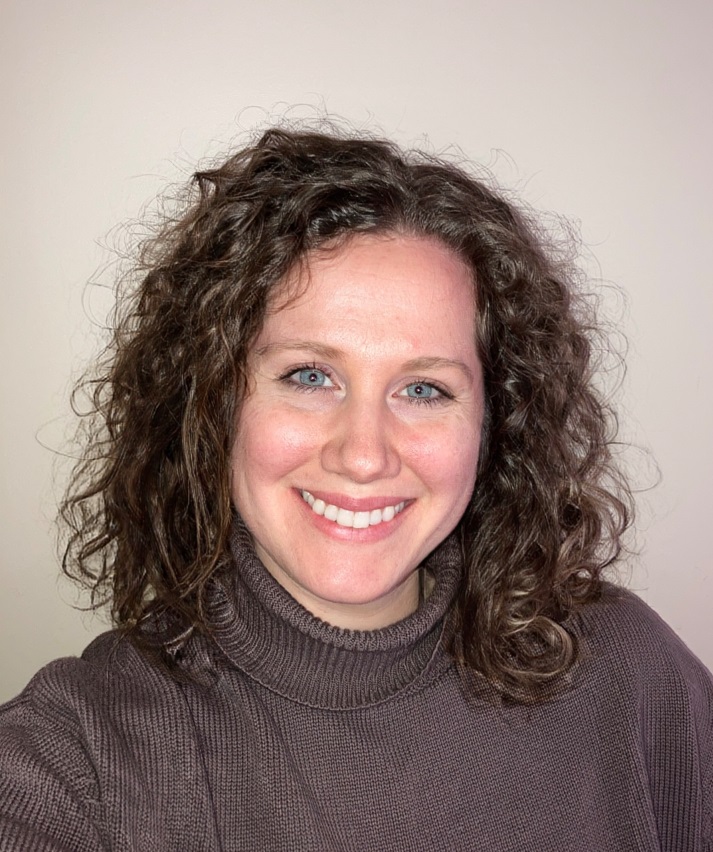
April Sue Dalton

Dr. Dalton currently works as a Postdoctoral Fellow at the Centre Geotop, Université du Québec à Montréal, Montreal, Canada. Her interdisciplinary research focuses broadly on the Northern Hemisphere — from quantifying the carbon stocks in Canadian peatlands; to reconstructing past climates using proxies in lake sediments; to reconstructing the dynamics of continental-wide ice sheets. The overall aim of her research is to provide insight into the response of the Earth System to climate change, with a particular focus on the exceptional Quaternary records in Canada.

Carolyn Hill-Svehla

Dr. Hill-Svehla is a Research Scientist at Surface Science Western at the University of Western Ontario. Her work primarily involves utilizing advanced analytical techniques to support the international needs of the mining and mineral processing industry. With expertise in the characterization of geological materials and ores, critical minerals, mineral processing, Precambrian sedimentology, and environmental geoscience, Dr. Hill-Svehla leverages her diverse background to gain insight into Earth’s evolution and resource geoscience.

Gregory Funston

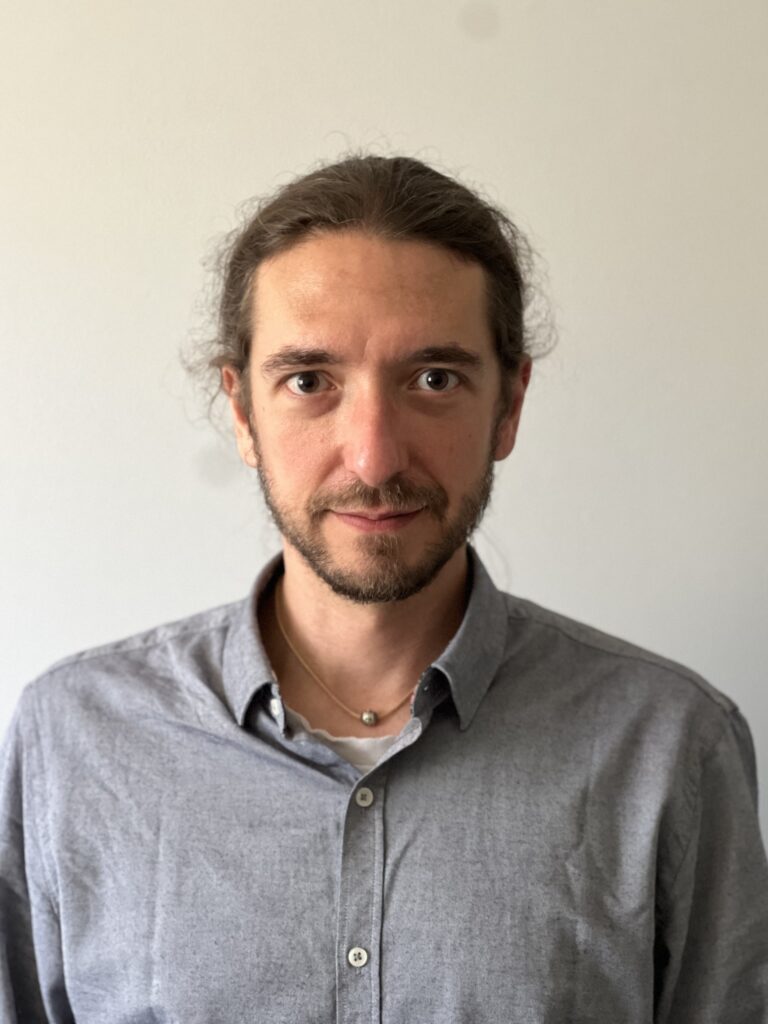
Dr. Greg Funston is a Canadian palaeontologist working as an Assistant Professor in the Department of Anatomical Sciences at Stony Brook University. His research interests lie in the way that animals grew and how ecosystems evolved over millions of years. Following his lifelong dream to be a palaeontologist, he completed his PhD at the University of Alberta in Edmonton, Canada, focusing on the anatomy and evolution of toothless dinosaurs. This took him across the world, from the badlands of Alberta, to the Gobi Desert of Mongolia. After a Newton International Fellowship in Scotland, he has also developed an interest in fossil mammals, and how their teeth can be used to understand their life histories and evolution. He continued this line of research as a Banting Postdoctoral Fellow at the Royal Ontario Museum in Toronto, Canada, before joining UC Davis as a visiting assistant professor, prior to joining Stony Brook as a tenure-track faculty member.

Jason Pardo

Dr. Pardo is a postdoctoral fellow at the Field Museum of Natural History in Chicago, USA. His research integrates palaeoecology, palaeobiogeography, and palaeobiology to understand how vertebrate animals adapted to changes to earth-life systems in the late Palaeozoic.

Jillian Kendrick

Dr. Kendrick is an Assistant Professor at Saint Mary’s University whose research focuses on the geochemical evolution of Earth’s crust from a petrological perspective. She studies both metamorphic and igneous processes in the field, the lab, and through numerical modelling.

Julien Divay

Currently based out of Calgary, Dr. Divay is a vertebrate palaeontologistmainly interested in developing the use of microvertebrate fossils to reconstruct North American ichthyofaunas and palaeoenvironments, as well as to determine the effects of the Cretaceous-Paleogene mass extinction event on freshwater fishes. My research identifies periods of faunal turnovers, provides fossil calibration points for molecular studies, documents palaeobiogeographical dispersals, and times the appearance of certain morphological features within phylogenies. 

Rayees Ahmed

Dr. Rayees Ahmed is a Project Scientist at the Indian Institute of Science (IISc) Bangalore, specializing in cryosphere hazards, climate change, and disaster risk reduction. His research focuses on glacial lake outburst floods (GLOFs), high-mountain hazards, and risk assessment. With expertise in remote sensing, Python programming, machine learning, qualitative analysis, and field-based investigations, his work aims to enhance hazard resilience and inform mitigation strategies.

Renelle Dubosq

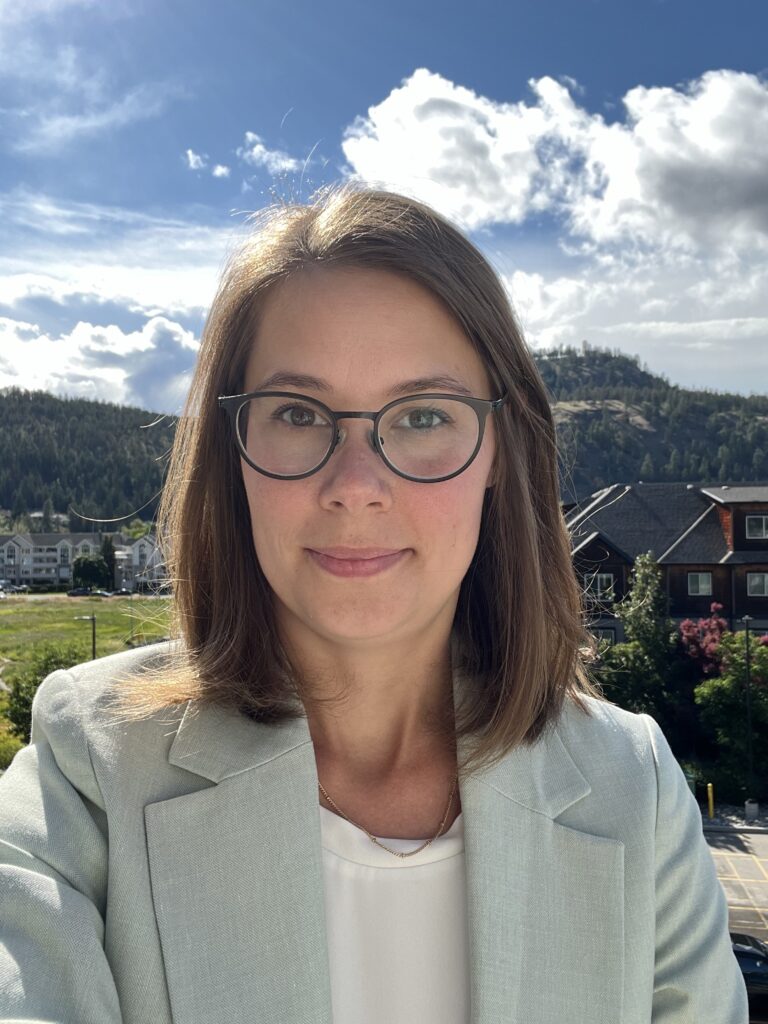
Dr. Dubosq is an Assistant Professor and Principal’s Research Chair in Earth, Environmental, and Geographic Sciences at The University of British Columbia–Okanagan. Her expertise is in nanogeology and correlative microanalytical approaches to investigate element mobility and defect interactions in minerals. Her work has important implications for improving the baseline knowledge of Canada’s natural mineral resources and contributing to a better understanding of seismic rupture, which is essential for aiding seismic hazard assessments. 

Riddhi Dave

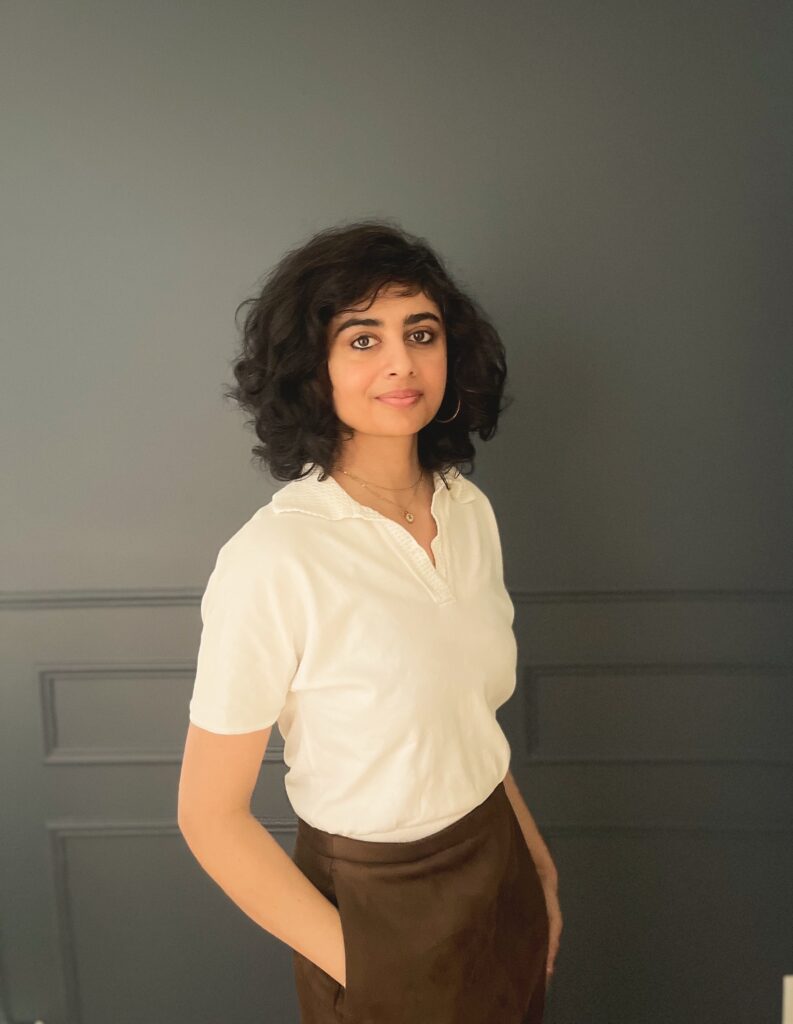
Dr. Dave is a Research Scientist at Natural Resources Canada and an Adjunct Professor at the University of British Columbia, based in Vancouver. She specializes in the multidisciplinary mapping of lithospheric architecture, which has applications in critical mineral prospectivity, glacio-isostatic adjustment modelling, seismic hazards, and more. Passionate about outreach and EDI efforts, she is actively involved in grassroots initiatives aimed at amplifying the voices of diverse and marginalized groups across government, academia, and industry. 

Sam Woor

Dr. Sam Woor is a Postdoctoral Research Fellow at the University of British Columbia, Vancouver, and the University of the Fraser Valley, Abbotsford. His research spans geomorphology, Quaternary geology and geochronology, in diverse landscapes from Arabia to the Yukon. Sam is particularly interested in applying luminescence dating to sedimentary landforms, including alluvial fans, river terraces, meander bends and dunes, to understand how landscapes have adjusted to climate change during the Late Quaternary. 

Weiyao Yan

Dr. Yan is a research geologist at the Houston Research Center of Aramco Americas and has diverse research interests, including geochemistry, geochronology, igneous petrology and hydrothermal alteration. Having worked in both academia and industry, Dr. Yan strives to deepen our understanding of Earth’s evolution and extend his expertise to drive innovations in sustainable resource exploration and development.    

Interested in becoming part of the next cohort? Follow us on social media or keep an eye on ourwebsite for our next application period and details on how you can contribute to the future of geoscience research. 

Brandi Shabaga‎

Brandi is a journal development specialist in physical sciences and engineering at Canadian Science Publishing.