
Florian Lüskow

Florian Lüskow, PhD, is a marine biologist and biological oceanographer. He is a third-year postdoctoral research fellow at Campus Gotland – Uppsala University in Sweden, where he co-leads the Baltic Sea Living Lab in the EU-funded BioEcoOcean project. His field of research is zooplankton biology and ecology, focussing on gelatinous zooplankton in marine and freshwater systems (besides experience in benthic zoophysiology of bivalves and sponges).

Insights into the gelatinous world of comb jellies

September 11, 2025 | 7 minute read
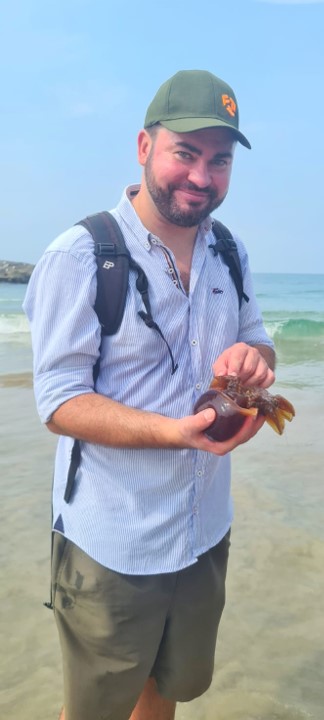
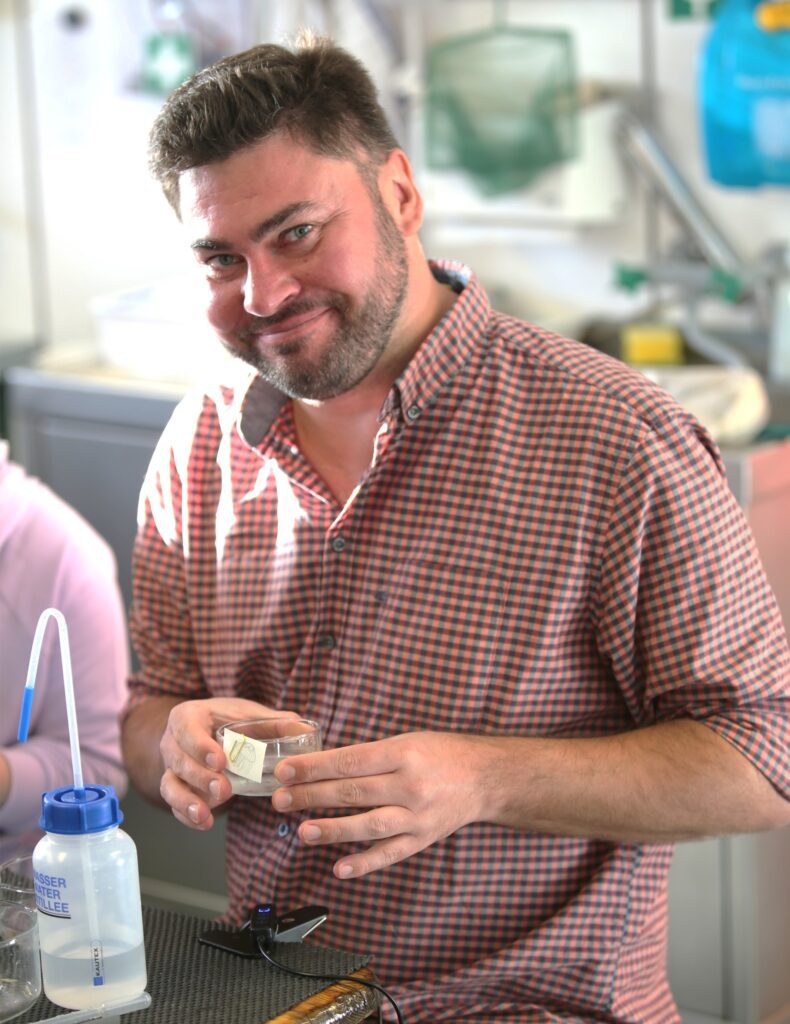
Florian Lüskow examining a tomato jellyfish at a beach in Kerala, India, in 2023 - credit: Krishan D. Karunarathne

Florian Lüskow examining a tomato jellyfish at a beach in Kerala, India, in 2023. Credit: Krishan D. Karunarathne

Jellyfish, comb jellies, salps, and their kin, often summarised as gelatinous zooplankton, are more than just fascinating, floating organisms. They play an increasingly recognised role in marine and even freshwater ecosystems. In the face of global challenges such as climate change and the spread of invasive species, understanding these animals and their dynamic roles in various ecosystems is critical. As a researcher, I aim to deepen our understanding of these organisms and how they are responding to these challenges. With my colleague Hunter Stevens, I recently reviewed comb jelly diversity in Atlantic Canada, now published in the Canadian Journal of Zoology. In this blog post, I’ll introduce you to the often-overlooked world of gelatinous zooplankton through my work, which has spanned various geographic regions through various topical lenses.
Invasive species on the rise: The case of Mnemiopsis leidyi

Florian Lüskow on a research expedition in the Sargasso Sea in 2023.

Florian Lüskow on a research expedition in the Sargasso Sea in 2023. Credit: Marko Freese.

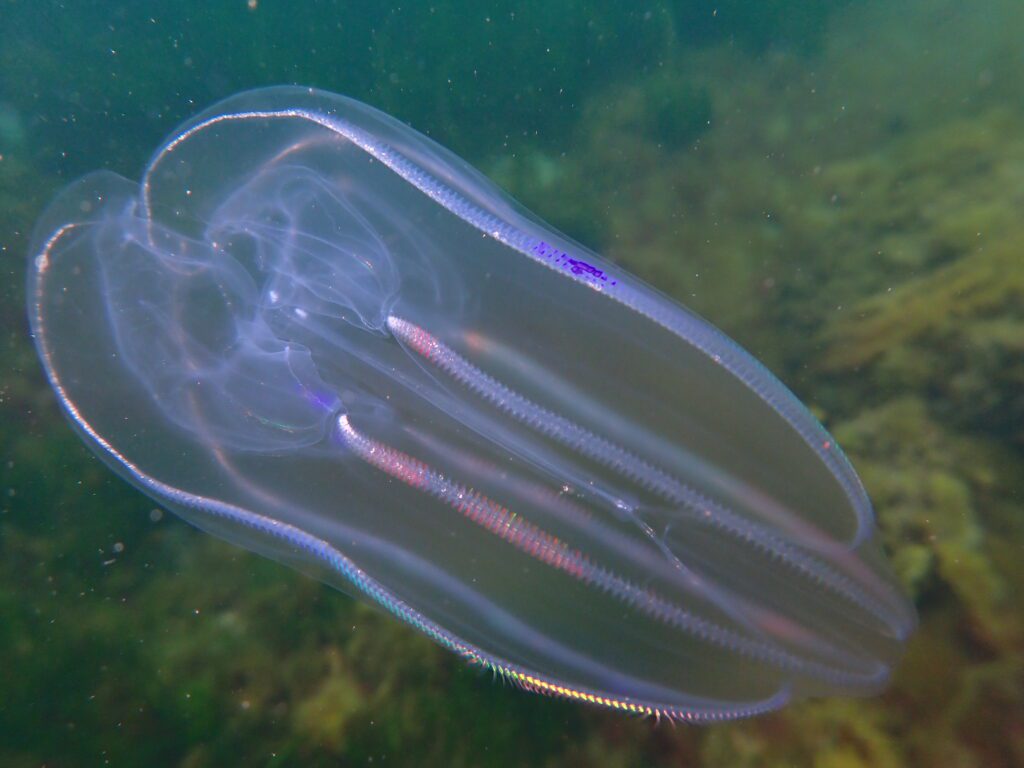
The spread of invasive species and their effects on native species and ecosystem dynamics is an important area of my research. The Northwest and Southwest Atlantic comb jelly, Mnemiopsis leidyi, is a prime example of an invasive species that has spread worldwide and can dramatically influence local food webs. In a recent study (Lüskow and Knudsen 2025), we investigated the genetic structure of M. leidyi populations in temperate northern European waters (including the inner Danish waters), as well as in the North and Baltic Seas. We collected samples at various locations in the waters of Germany and Denmark over two years. By analysing specific nuclear DNA regions (ITS1 and ITS2), we compared the genetic variation within and among these populations to investigate the population structure and give clues as to how the jellies may be moving through these connected areas. We found low genetic variation among the sampled M. leidyi, both geographically (in terms of location) and over the years studied (temporally). These results suggest that the northern European waters sampled are home to one uniform population, rather than a series of smaller clusters that would be genetically distinct from one another. This genetic homogeneity, as opposed to genetic diversity, supports our hypothesis that each year, this invasive comb jelly disperses across this area from one source population, spreading from the southeastern North Sea towards the western Baltic. This is important information for the management of this invasive species and for predicting how it may spread to new regions in the future.

Biodiversity in focus: Comb jellies in different regions

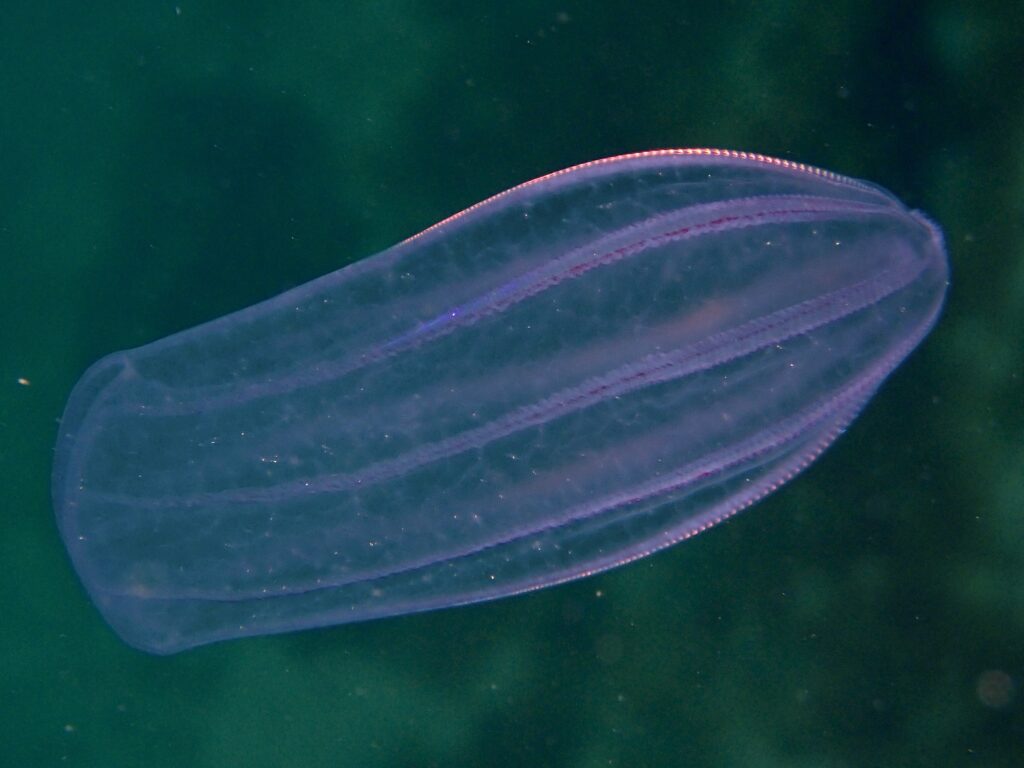
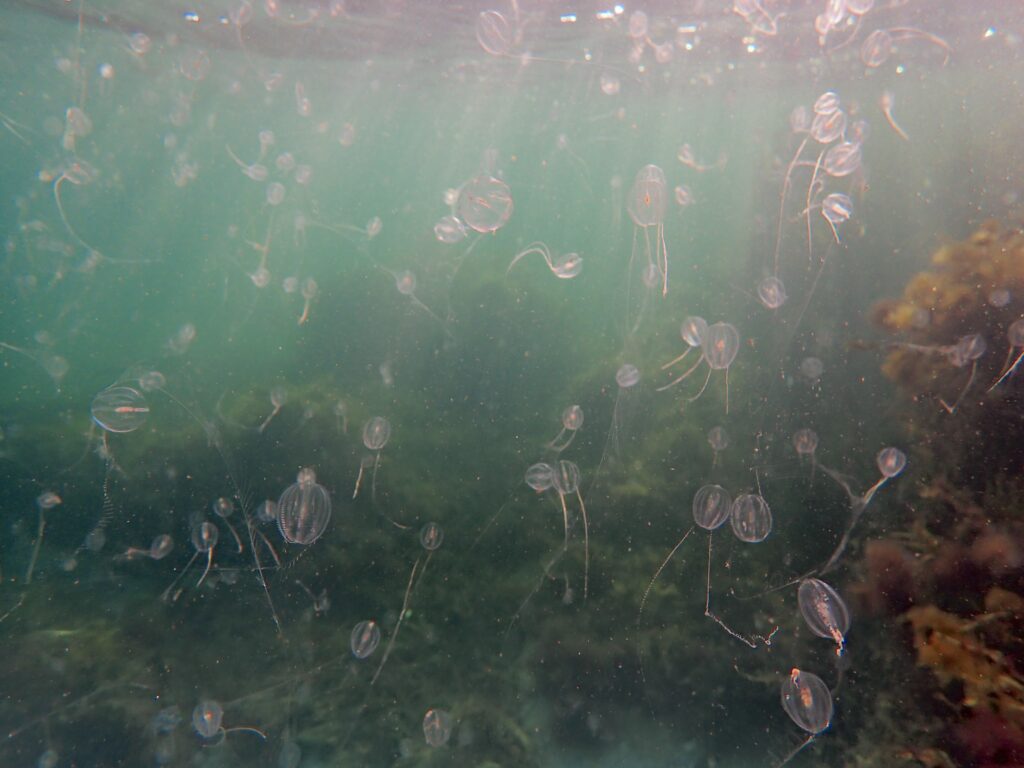
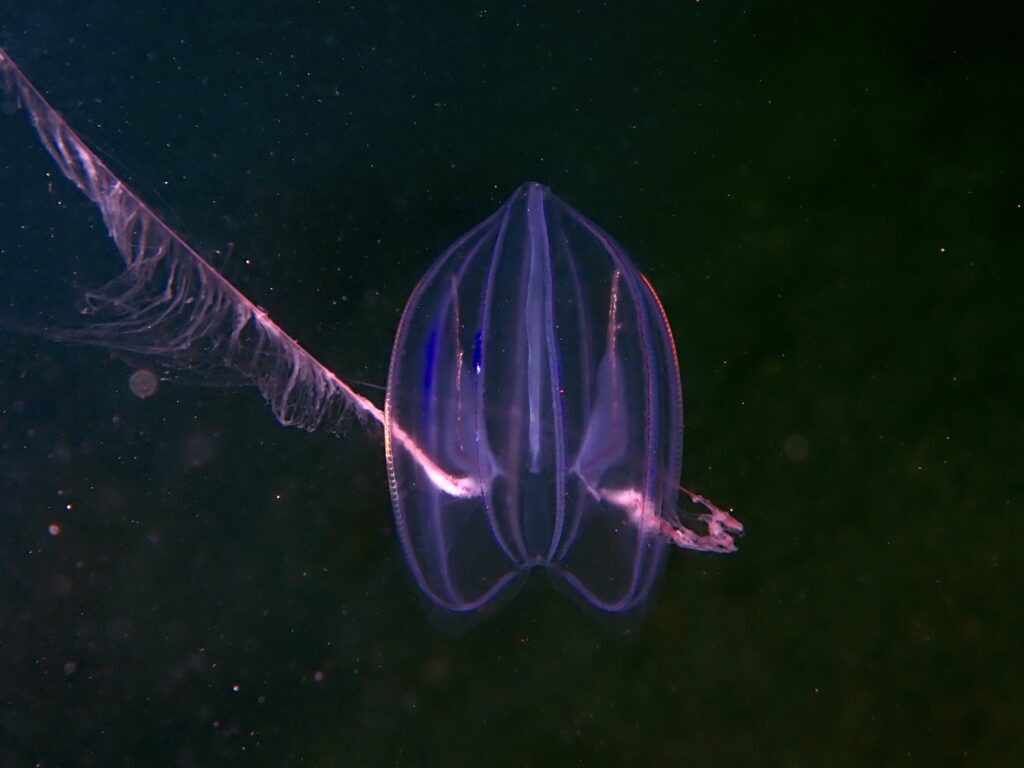
Atlantic Canada is a region that has experienced bio-invasions of non-native species and other climate change-related alterations to the historic geographic ranges of native species. Comb jellies have historically received limited scientific attention here, despite their known impact on the food webs. In our synthesis study recently published in the Canadian Journal of Zoology (Lüskow and Stevens 2025), we reviewed existing literature and publicly accessible biodiversity databases. We identified four comb jelly species typical of cold waters in the boreal/sub-Arctic North Atlantic: Beroe cucumis, Bolinopsis infundibulum, Mertensia ovum, and Pleurobrachia pileus. We noticed that online biodiversity platforms such as OBIS, GBIF, and iNaturalist®, to which members of the public and researchers can contribute observations, complement the list of potentially occurring species. However, we also found that there is a need for expert review ofthese entries to correctly identify species. Our review highlights the knowledge gaps about comb jellies occurring in Atlantic Canada, and we recommend certain research priorities for the gelatinous zooplankton in this region.

Bolinopsis infundibulum in Nova Scotia waters.

Bolinopsis infundibulum in Nova Scotia waters. Credit: Hunter Stevens.

Beroe cucumis specimen in Nova Scotia waters. Credit: Hunter Stevens.

Mass occurrences of Pleurobrachia pileus in Nova Scotian waters.

Mass occurrences of Pleurobrachia pileus in Nova Scotian waters.

Mertensia ovum in Nova Scotia waters.

Mertensia ovum in Nova Scotia waters. Credit: Hunter Stevens.

In a similar vein, we explored the diversity of comb jellies in the Exclusive Economic Zone of Cuba, a very different ecosystem from that of Atlantic Canada. I also contributed to this first comprehensive inventory of the diversity of comb jellies for Cuba (Morejón-Arrojo et al. 2025a). Excitingly, we found a remarkably high diversity of comb jellies here, with 14 different species. This high number of species makes Cuba one of the richest regions for comb jellies in the Atlantic. The similarity of the Cuban comb jelly species list with neighbouring areas such as Mexico and Brazil is likely because of Cuba’s geographic proximity and connected suitable habitat.

Back in Europe, the Baltic Sea is a unique body of water in that it is brackish (typical salinities in the central Baltic are between 5 and 8; for comparison, full marine salinity is around 35). This low salinity poses challenges to all living creatures because of direct effects like buoyancy and osmoregulation, but also indirect effects. Around the Swedish island of Gotland, we found relatively low diversity of gelatinous zooplankton, quite different from elsewhere in the Atlantic. In the central Baltic Sea, we found the dominant species to be the moon jellyfish (Aurelia aurita). This species seems to tolerate salinities in this area (Lüskow et al. 2025a).

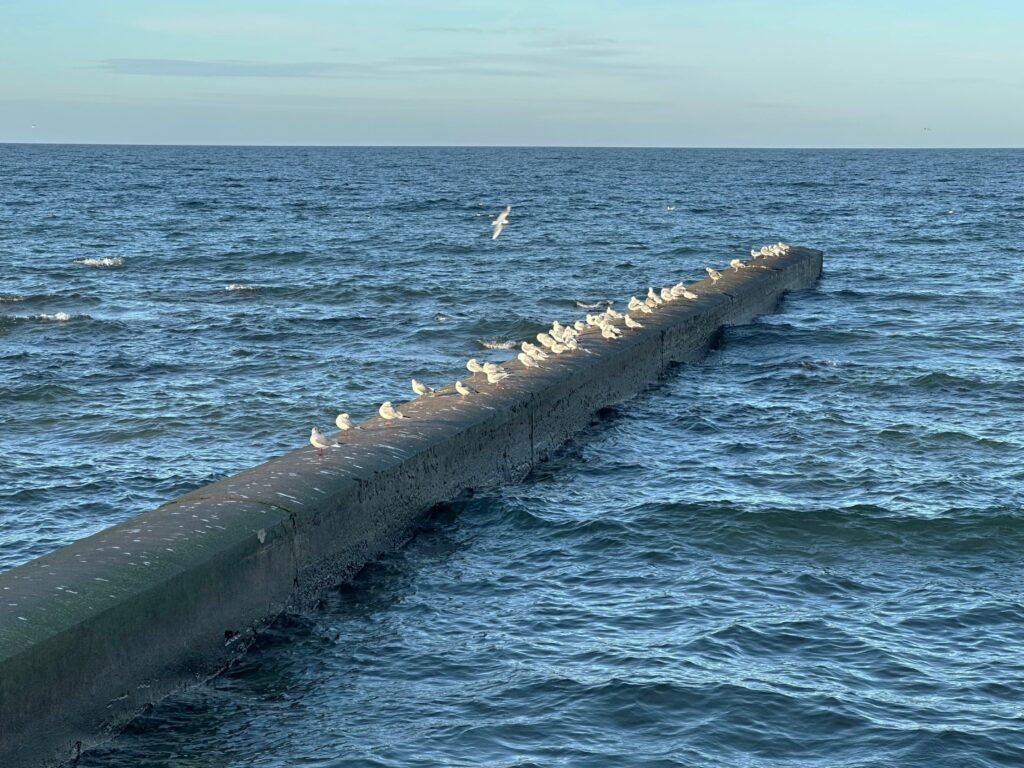
Pier with seagulls in Gotland in 2025.Pier with seagulls in Gotland in 2025. Credit: Florian Lüskow.

Energy in the Southern Ocean: The role of salps

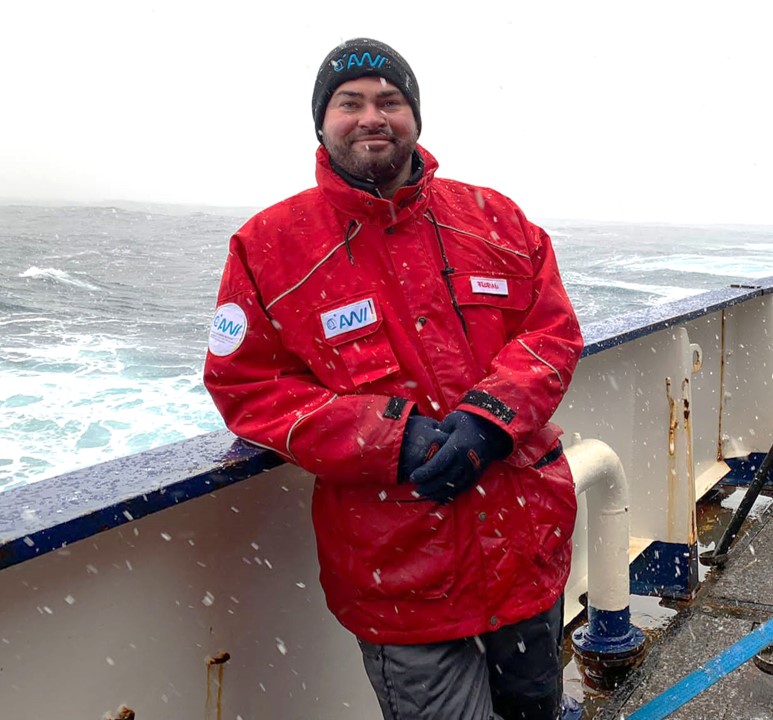
Florian Lüskow on a research expedition in the Southern Ocean in 2022. Credit: Evgeny Pakhomov

Florian Lüskow on a research expedition in the Southern Ocean in 2022. Credit: Evgeny Pakhomov

I also study a group of barrel-shaped, translucent, open-ocean animals called salps, another important group of gelatinous zooplankton. The species Salpa thompsoni plays an especially important role in the food webs and the carbon cycle of the Southern Ocean. To understand how energy moves in the ecosystem, my colleagues and I used decades of data to calculate the energy content of S. thompsoni (Lüskow et al. 2025b). This proved to be challenging, as it’s quite difficult to determine

the dry weight of gelatinous tissue that can retain significant amounts of water, even after drying (think of trying to measure the dry weight of a jiggly Jell-o). We found that salp size and drying method had significant effects on the final dry weight estimate. This is important because an associated study by Pakhomov et al. (2025) found that the warming of the Southern Ocean could significantly affect salp dynamics due to potentially changed distribution patterns, so accurately estimating the energy of individual salps is important for understanding changing nutrient dynamics in the ecosystem.

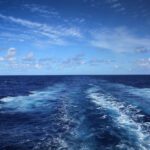
Florian Lüskow on a research expedition in the Southern Ocean in 2022.

Florian Lüskow on a research expedition in the Southern Ocean in 2022. Credit: Evgeny Pakhomov.

Documentation of jellyfish blooms

Jellyfish blooms – mass occurrences of jellyfish – are a phenomenon with ecological and socio-economic impacts. We recently reported the first mass aggregation of the cannonball jelly (Stomolophus sp.) in the waters of Venezuela in spring 2024 (Morejón-Arrojo et al. 2025b). This bloom stretched along the coastline with high observed abundances. We identified possible triggers of this event, such as fluctuations in sea surface temperature, increased chlorophyll concentration, and high precipitation in the previous months. We also reported a mass occurrence of non-native freshwater jellyfish, Craspedacusta sowerbii, halfway around the world in a pond in the Indian state of Kerala after a severe flood event in 2018 (Sreeram et al. 2025). This report showcased the presence of this invasive species in India and stressed the need for regional attention and further research. Together, reporting on jellyfish blooms and investigating key drivers of their occurrences can help us better understand the frequency, location, and causes of such drastic population growth.

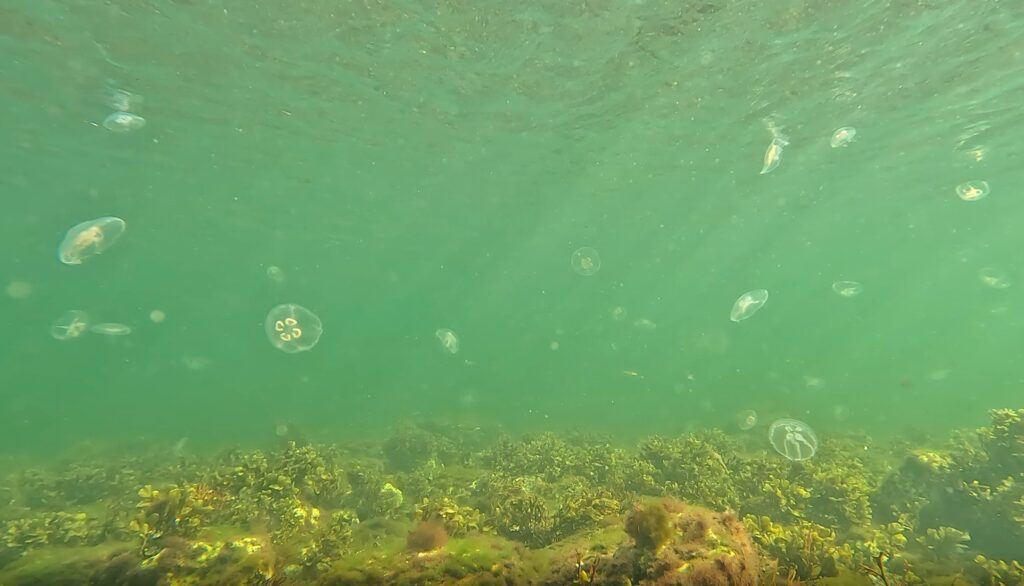
Common jellyfish in shallow waters of Gotland in 2022.

Common jellyfish in shallow waters of Gotland in 2022. Credit: Sara Kurland

Global ocean monitoring systems

An overarching topic in my research is the connection of local research with global frameworks. Gelatinous zooplankton are part of the so-called Essential Ocean Variables (EOVs) defined by the UNESCO-IOC’s Global Ocean Observing System (GOOS). EOVs are intended to analyse and exchange data according to the FAIR (Findable, Accessible, Interoperable, Reusable) principles. The comprehensive monitoring of gelatinous zooplankton within such global systems for collaborative and connected exchange of data is crucial for a more holistic understanding of ecosystems. Non-invasive monitoring methods, such as surveys among fishers, observations from ferries, social media data mining, and environmental DNA (eDNA) recovery, can all complement traditional scientific monitoring techniques to improve the movement of gelatinous zooplankton in space and time.

An image of a deer in a field, with the text "Canadian Journal of Zoology Now Accepting Perspectives."
The Canadian Journal of Zoology invites Perspective papers. Share bold ideas, challenge assumptions, and spark new dialogue in the field of zoology. LEARN MORE

In a nutshell

Comb jellies are often overlooked, but they are ecologically important organisms. My work has encompassed the genetic analysis of invasive comb jellies in Europe to the documentation of biodiversity in more remote areas such as Atlantic Canada and Cuba, the study of the transmission of energy by salps in the Southern Ocean, and the recording of jellyfish blooms in various parts of the world. By using and integrating various data sources and methods, including community science, I hope to deepen our understanding of gelatinous zooplankton. I believe strongly in collaborative science to achieve this goal and to provide important foundations for improved assessment of the response of this organism group to global change and developing effective management strategies.

About the author

Florian Lüskow, PhD, is a marine biologist and biological oceanographer. He is a third-year postdoctoral research fellow at Campus Gotland – Uppsala University in Sweden, where he co-leads the Baltic Sea Living Lab in the EU-funded BioEcoOcean project. His field of research is zooplankton biology and ecology, focusing on gelatinous zooplankton in marine and freshwater systems (besides experience in benthic zoophysiology of bivalves and sponges). You can follow Florian on Bluesky, X, Linkedin, or Google Scholar.

With contributions from Andrea Wishart, Journal Development Specialist at Canadian Science Publishing.

Florian Lüskow

Florian Lüskow, PhD, is a marine biologist and biological oceanographer. He is a third-year postdoctoral research fellow at Campus Gotland – Uppsala University in Sweden, where he co-leads the Baltic Sea Living Lab in the EU-funded BioEcoOcean project. His field of research is zooplankton biology and ecology, focussing on gelatinous zooplankton in marine and freshwater systems (besides experience in benthic zoophysiology of bivalves and sponges).