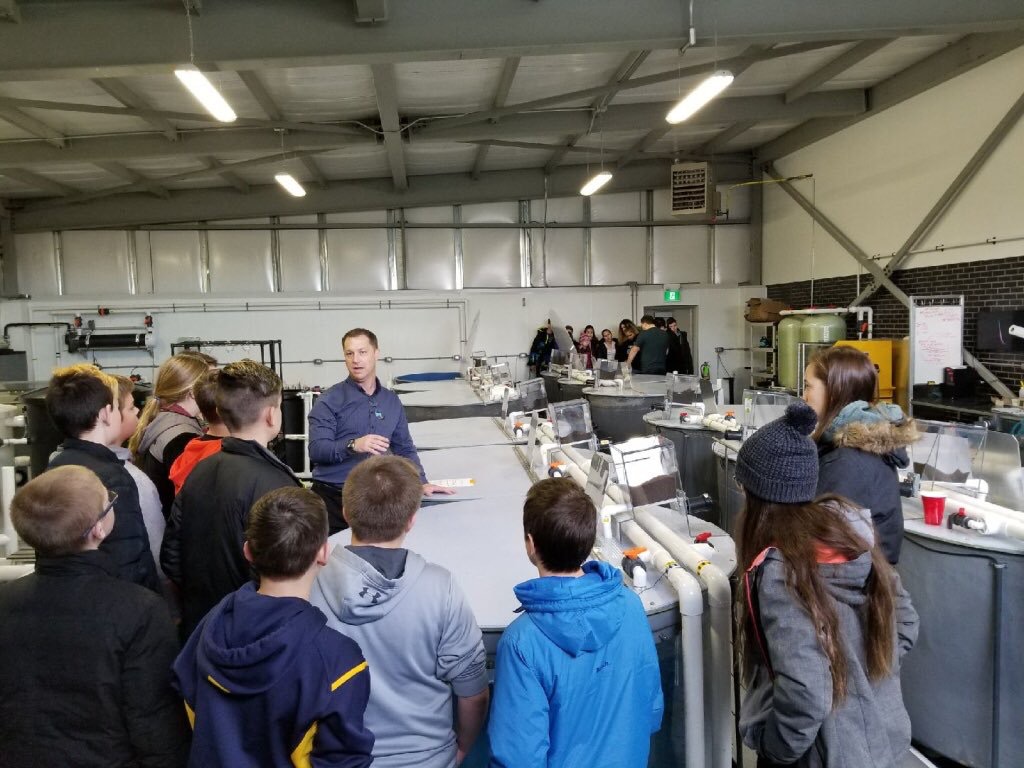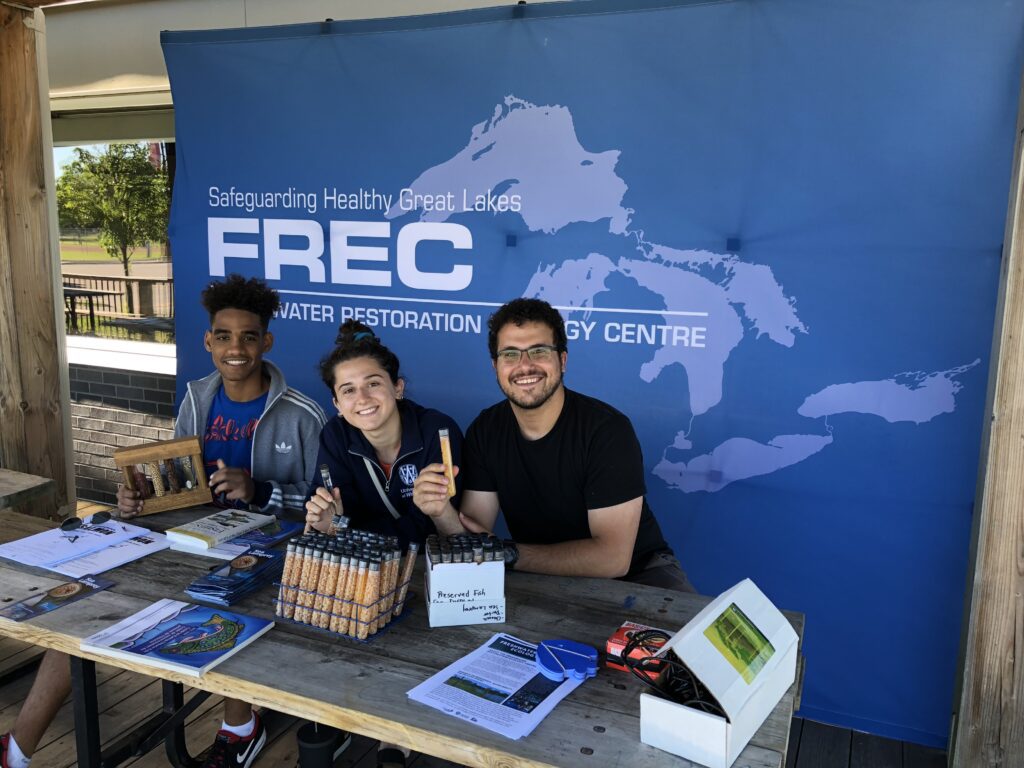

You can tell a lot about a scientist by how they answer a phone call. When we first connect with Dr. Trevor Pitcher, he’s in his car, excitedly offering updates between highway exits, en route from a policy meeting in Peterborough back to his lab in Windsor. It’s fitting of a researcher who never seems to sit still. As the driving force behind the Freshwater Restoration Ecology Centre (FREC), Pitcher juggles hatchery experiments, graduate student mentorship, and even video game design, all while ensuring local school kids can hand-release fish they’ve “adopted” into Ontario’s waterways. And now Pitcher has one more job to add to his list: he’s the new co-Editor-in-Chief of the Canadian Journal of Fisheries and Aquatic Sciences, and he has plenty of editorial ideas.
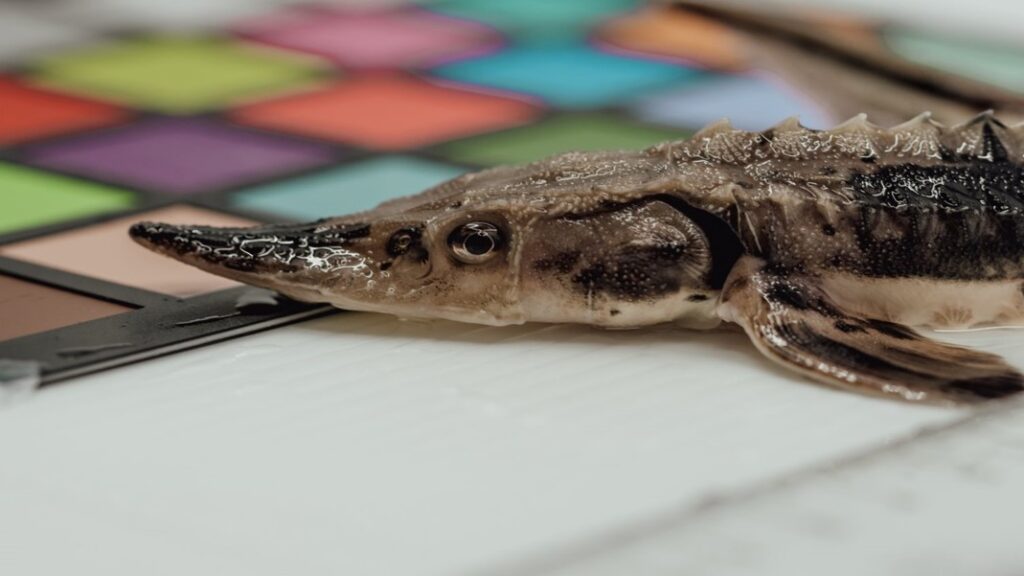
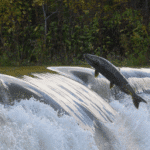
But beneath his enthusiasm lies a pressing challenge: freshwater species are vanishing at an alarming rate. Take the redside dace, a small, silvery fish that leaps out of the water to catch insects. Victims of urbanization, pollution and habitat loss, redside dace populations have declined, putting them on Canada’s endangered species list. For years, efforts to save them stalled. “We didn’t even know their basic survival thresholds,” Pitcher explains. But now, his team are breeding the redside dace in captivity and deciphering their ideal habitat. Think of it as rewriting a missing instruction manual for a vanishing species—one that can guide restoration policies. It’s a breakthrough with big implications: if we can save one species, can we save others?
But this work extends beyond tanks and data spreadsheets. At FREC, conservation isn’t just about science; it’s about rewriting who gets to participate in science. The centre has become a hub where researchers rub shoulders with policymakers, kids battle in a habitat-restoration video game (My Watershed), and First Nations communities collaborate on Indigenous-language children’s books.
Ask Pitcher his proudest achievement, though, and he’ll list his students—future scientists, teachers, and advocates—who’ve turned “his” lab into “our” lab. There’s the team that revealed how to improve the fitness of captive breed fishes for conservation efforts and the team that turned fish spawning footage into a kids’ book franchise. The collaborators who prove that the best science is crowded with voices and maybe a little creative chaos.
So, what happens when science meets storytelling, policy, and play? We talk to Trevor Pitcher to find out.